
25 bamboo enterprises across Maharashtra
In early 2026, Bharat Valley visited and documented every small business supported by the Maharashtra Bamboo Promotion Foundation. This is what we found, and where they can grow next.
Why we did this study
Bamboo was legally treated as timber for decades, which held back an entire industry. When the rules changed in 2017, Maharashtra set out to build a bamboo economy that creates lakhs of jobs.
The Maharashtra Bamboo Promotion Foundation (MBPF) has been the bridge between that policy and the people who work with bamboo every day. But no one had a single, reliable picture of the enterprises it supports: who they are, what they make, who they sell to, and what holds them back.
MBPF asked Bharat Valley to build that picture. Our team went to the workshops, nurseries and farms, sat with founders, and recorded each business in a standard format. The result is a baseline the foundation, government bodies and buyers can use to decide where support will matter most.
How we ran the study
A mixed-methods approach: on-site observation first, then numbers.
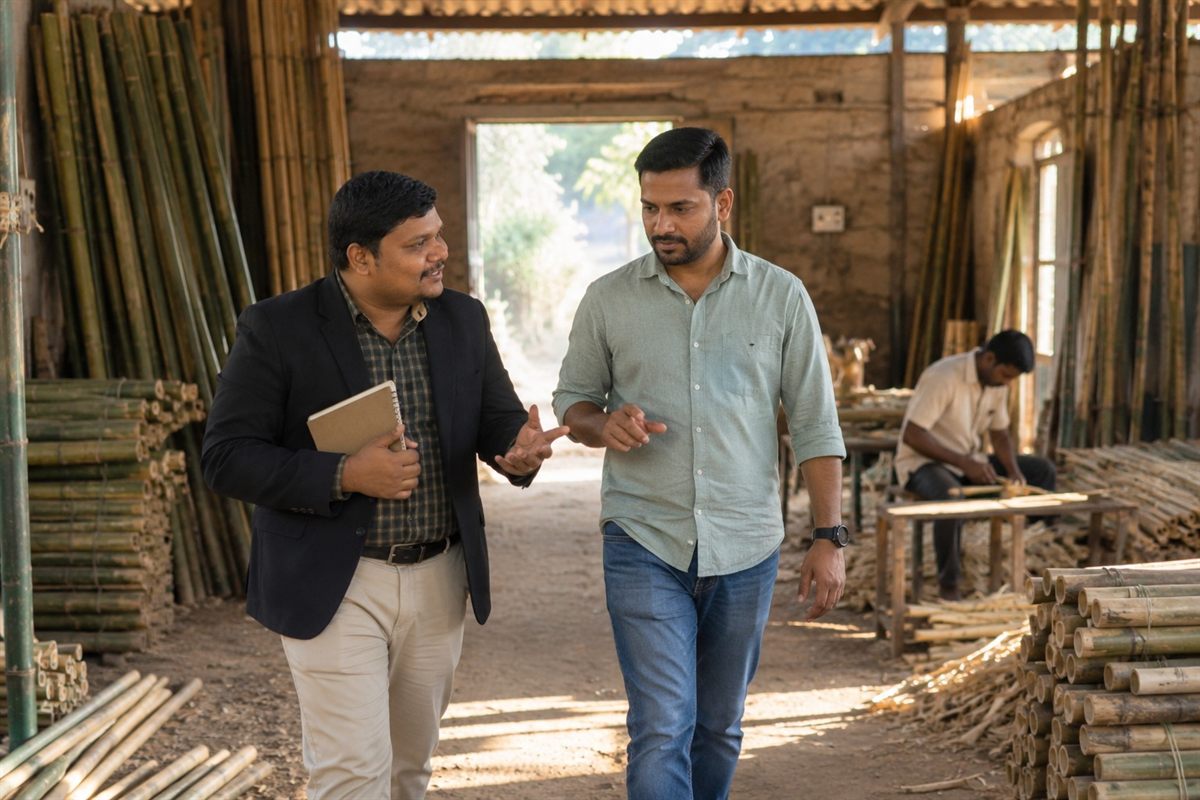
Visit
Personal visits to all 25 enterprises across Maharashtra for on-site assessment.
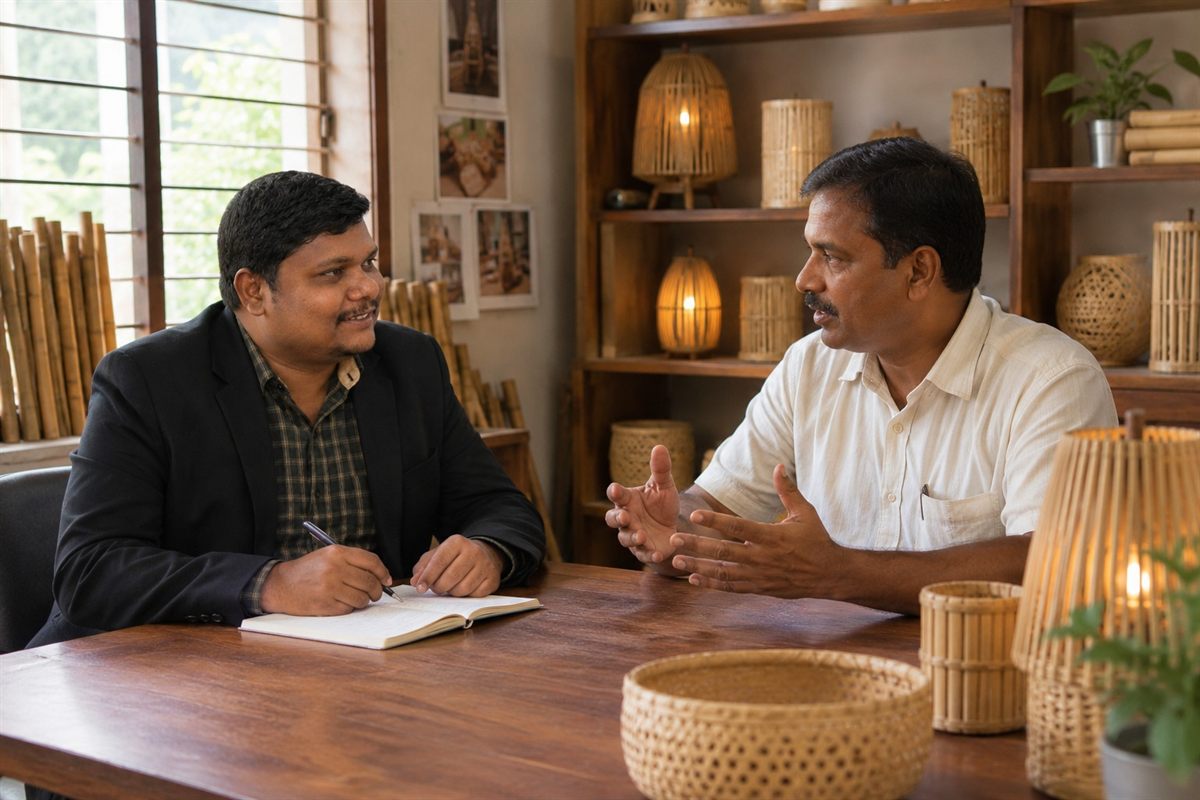
Interview
Structured interviews with founders, proprietors and senior managers.
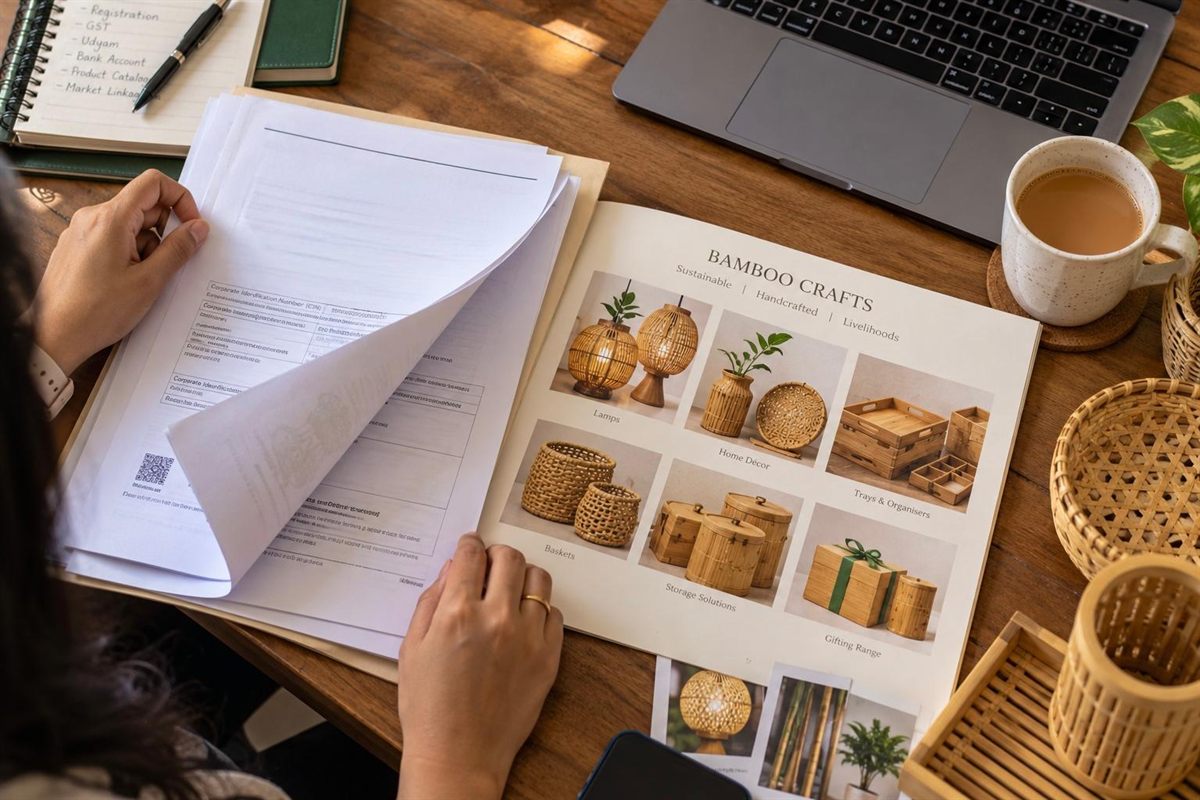
Review documents
Business registrations, product catalogues and financial records.
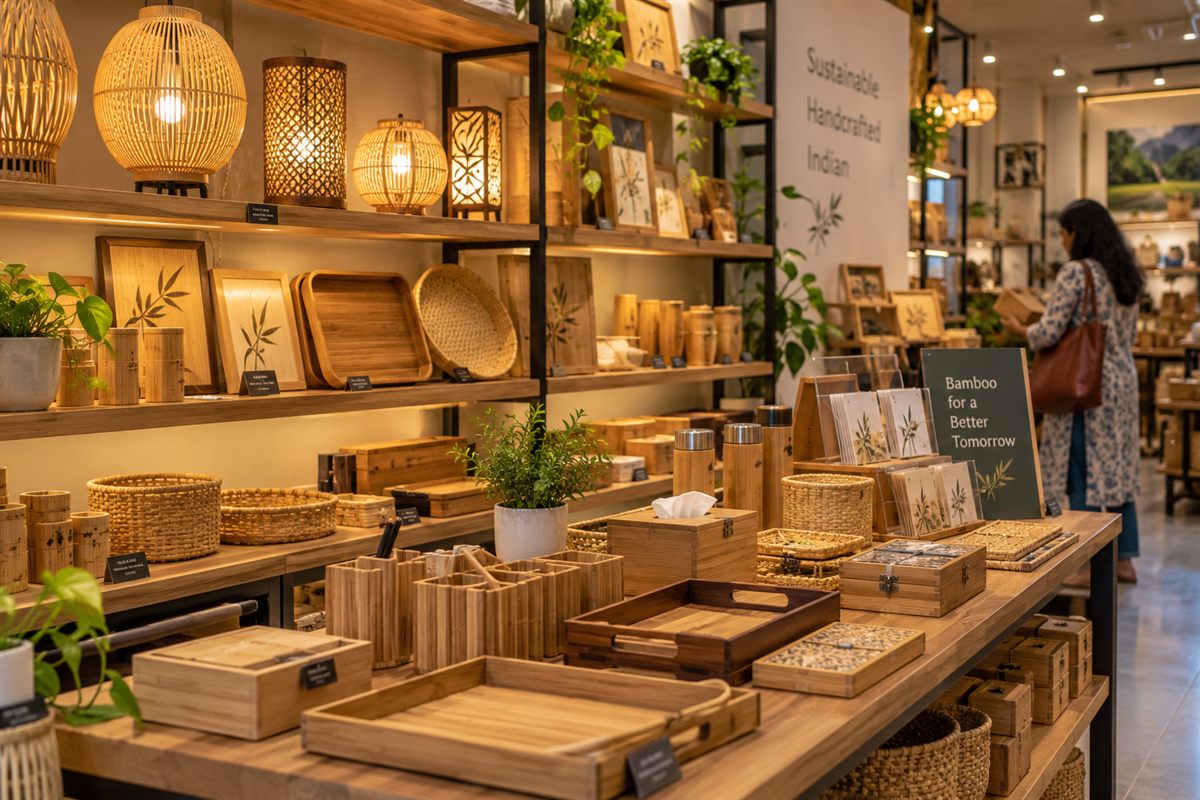
Research markets
Target markets, customer base and distribution channels.
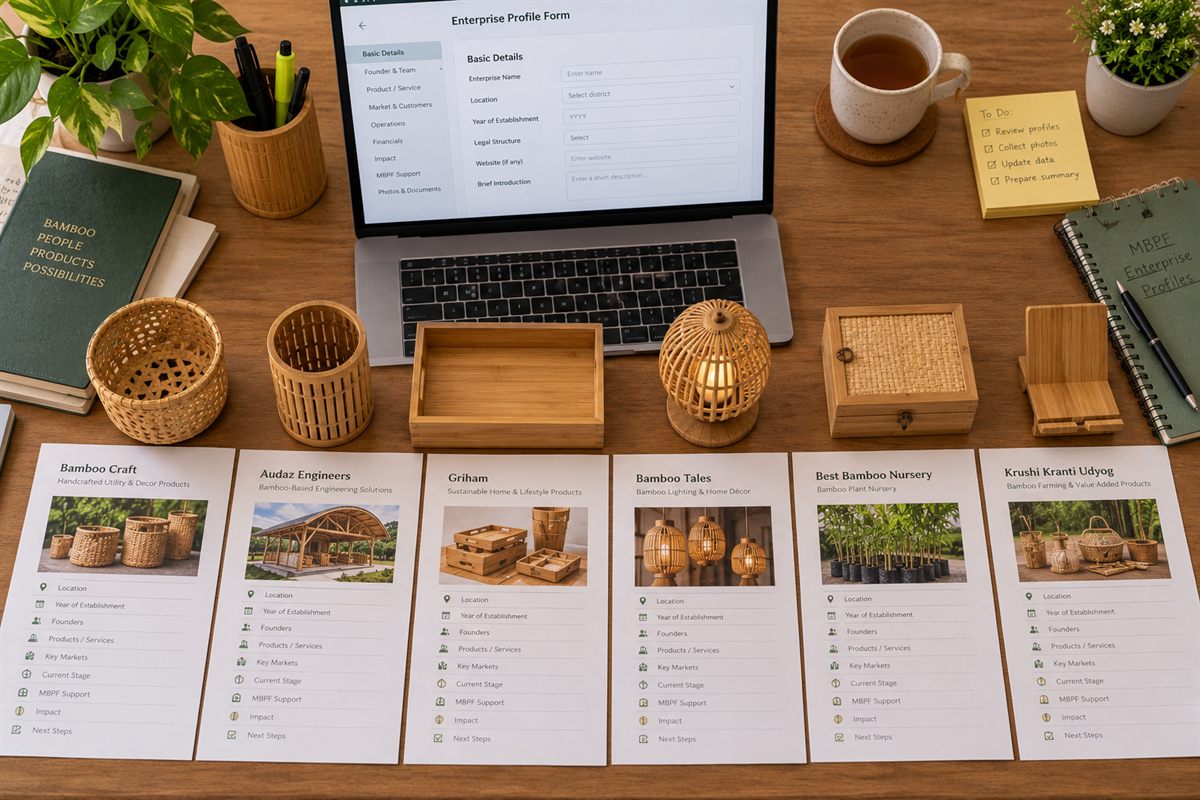
Standardise
Every enterprise written up in one consistent profile format.
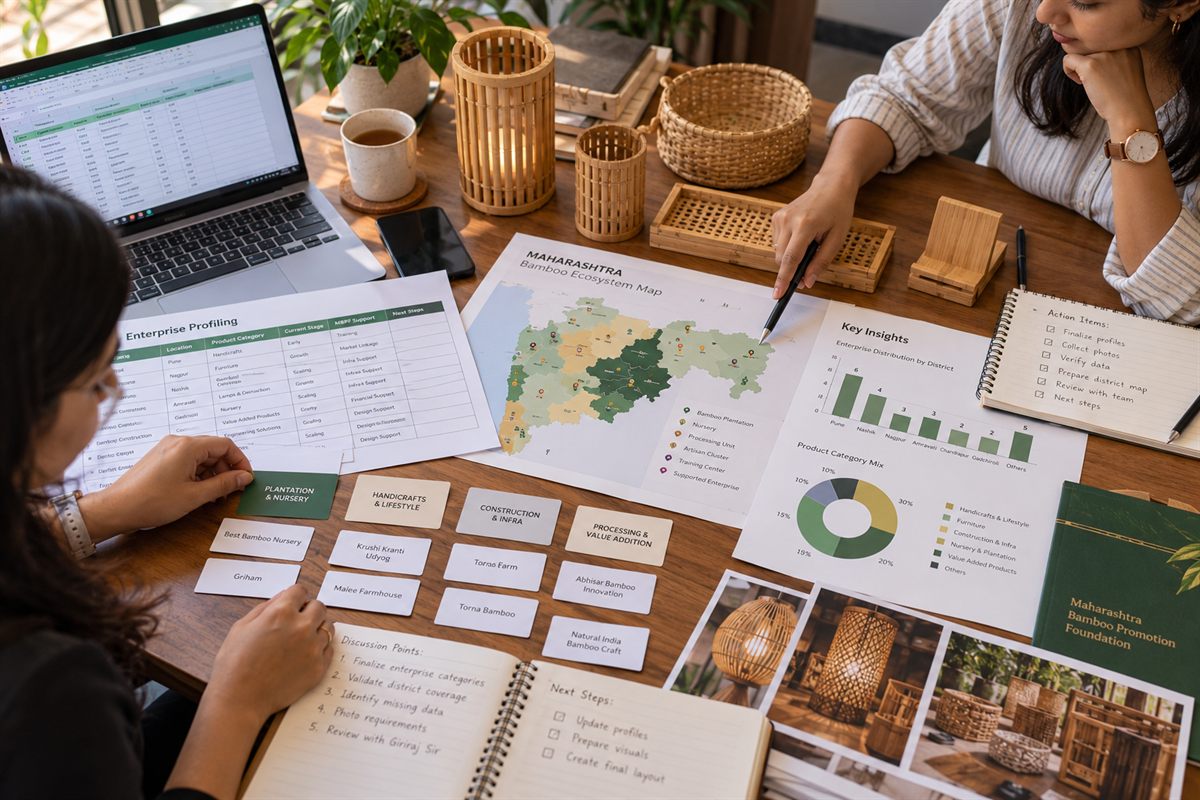
Classify and analyse
Sorted by sector, legal status, products and market segment, then analysed for patterns.
What the bamboo sector looks like
Most enterprises do more than one thing, so sector counts add up to more than 25.
Sectors
Number of enterprises active in each sector (out of 25)
Districts
Where the enterprises are based
are proprietorships. 32% are private limited companies, 8% LLPs and 8% cooperatives.
started in 2020 or later. Another 36% began between 2010 and 2019, and 20% before 2010.
average dependence on bamboo for revenue. These are committed bamboo businesses.
range of annual turnover, from home-scale artisans to established firms.
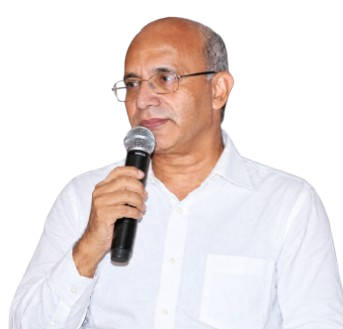
This book is our evidence. When you give someone the right tools and the right support, they don't just build a product, they build a future.
Shri Vishwanath Giriraj, IAS (Retd.)Maharashtra Bamboo Promotion Foundation
The people behind the numbers
Bamboo enterprises in Maharashtra are small, local and deeply tied to rural livelihoods.
women in the workforce at many art and craft enterprises, as skilled artisans and as owners.
artisans trained every year through enterprise training programmes.
farmers and collectors supported through raw material sourcing.
of enterprises grew over the last two years, despite market pressure.
Art and craft leads on design and exports
Thirteen of the 25 enterprises make bamboo art and craft: jewellery, baskets, lampshades, frames, trophies and decorative pieces. Corporate gifting is their biggest market, and several already ship to the EU and USA. Many work through cooperatives, which keeps pricing fair and spreads value across artisans.
Glimpses from the field
Workshops, plantations, training rooms and finished products, photographed during the study.
Key findings
The enterprises have skill, demand and ambition. What they lack is reach, capital and equipment.
What is holding them back
- Market access. 60% struggle to reach larger markets and e-commerce platforms.
- Working capital. 50% need affordable credit and equipment finance.
- Technology. Most work is handmade or semi-mechanised, which limits scale.
- Certification. Compliance costs make ISO and export standards hard to reach.
- Competition. Mass-produced bamboo products push prices down.
Where the opportunity is
- Export. Untapped demand in EU, USA and Asian premium markets.
- New products. Sustainable packaging, biomaterials and eco-products.
- Digital. Modern design tools, digital marketing and online sales.
- Clusters. Shared resources and collective marketing across enterprises.
- Value addition. Moving from raw material to finished goods for better margins.
What entrepreneurs told us
- 80% want to develop new products and market segments.
- 90% of enterprises earn 80–100% of revenue from bamboo.
- Raw material is stable. The bottlenecks are processing and value addition.
- Few partnerships. Little collaboration between enterprises today.
What Bharat Valley did
We ran the study end to end, from the first field visit to the final report.
Coordinate and execute
- Organised visits and interviews across districts
- Managed data collection and documentation
- Kept one consistent method throughout
Collect and verify
- Interviewed founders and proprietors
- Checked business information and documents
- Compiled detailed profiles for each enterprise
Analyse and report
- Found sector trends and geographic clusters
- Classified enterprises by sector, size and maturity
- Turned findings into actions
Archive for the future
- Built a structured enterprise database
- Mapped products, markets and competitors
- Set the base for future support programmes
The team behind the study
Went into the field to visit the enterprises, interview founders and record each business. Turned those visits into the standard profiles that make up the report.

Shaped how the study looks and reads. Designed the 119-page report and organised the photographs and profiles so every enterprise is easy to follow.

Guided the study from start to finish, setting direction for the team and keeping the work aligned with MBPF's goals.
Work with Maharashtra's bamboo enterprises
Buyers, investors, government bodies and partners: if you want to source from, fund or support these enterprises, or want a study like this for your own sector, talk to us.